The Great Clean-up of the Singapore River
In a BiblioAsia Podcast episode, writer Samantha Boh tells us how civil servant Lee Ek Tieng and his team at the Ministry of Environment overcame the challenges of cleaning up the Singapore River.
Lee Ek Tieng (1933–2025) was the first permanent secretary of the Ministry of Environment. In 1977, founding Prime Minister Lee Kuan Yew challenged Lee and his team to clean up the Singapore River.
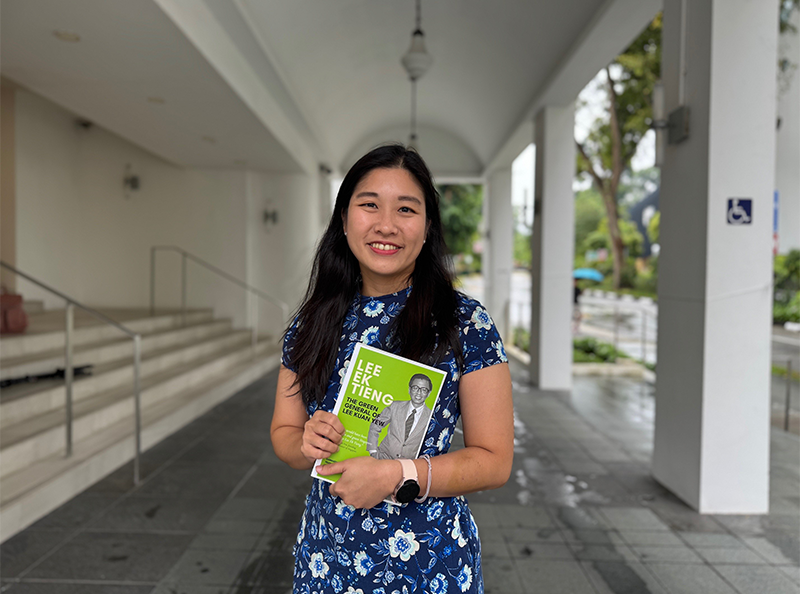
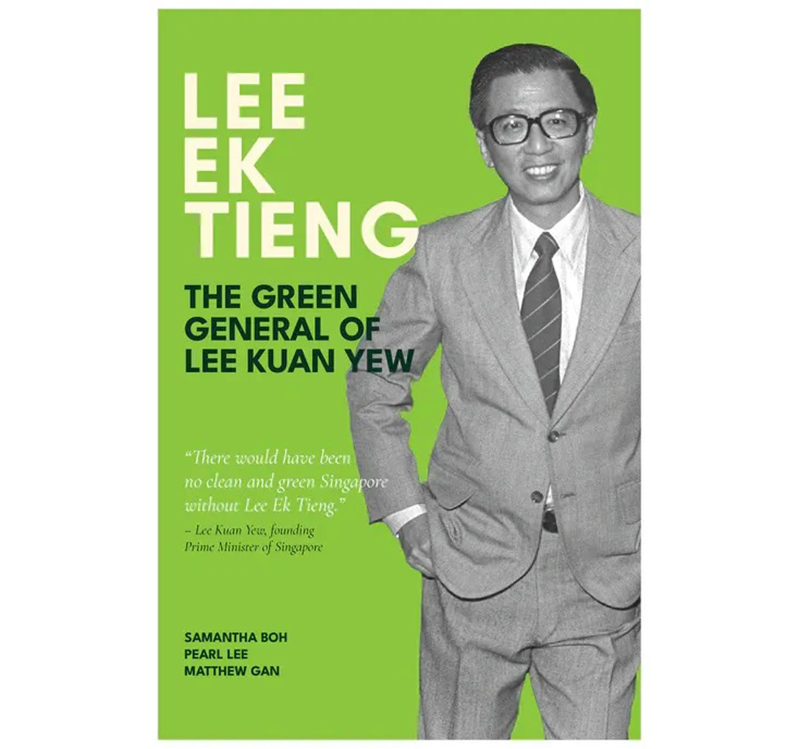
BiblioAsia Editor-in-Chief Jimmy Yap interviews Samantha Boh, who co-wrote Lee Ek Tieng: The Green General of Lee Kuan Yew with Pearl Lee and Matthew Gan.
Jimmy: The clean-up of the Singapore River took 10 years. Is it just picking up litter off the surface and dead things floating on the river? Is there more to it?
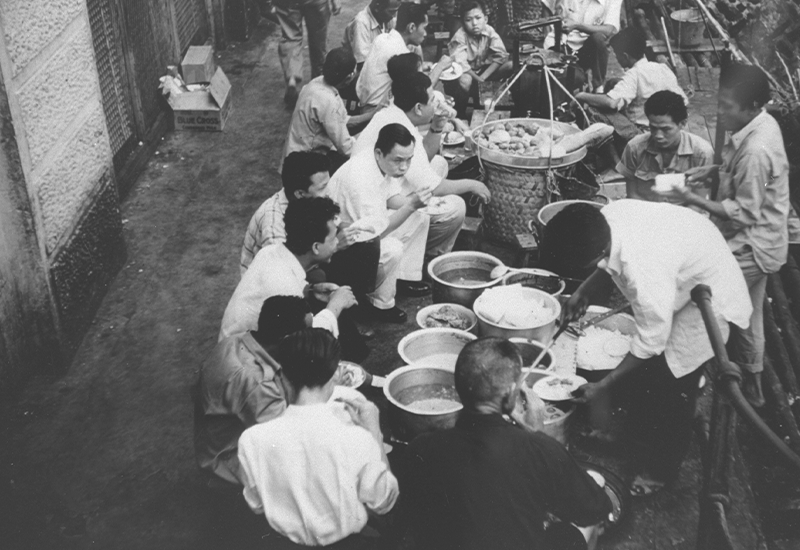
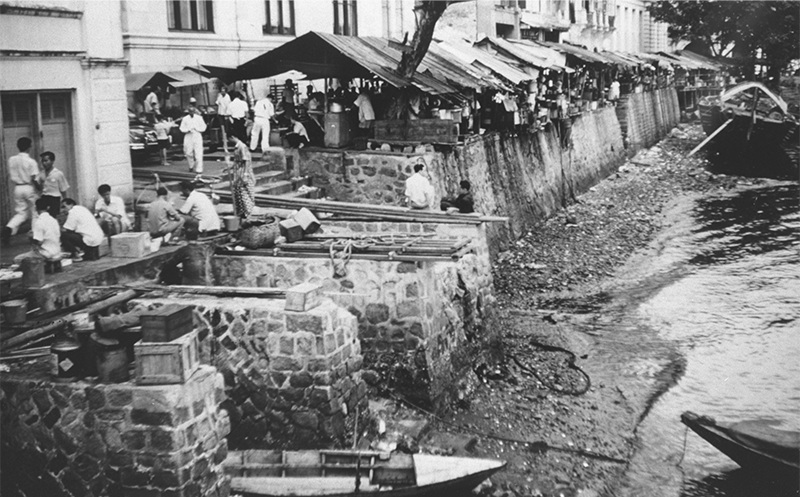
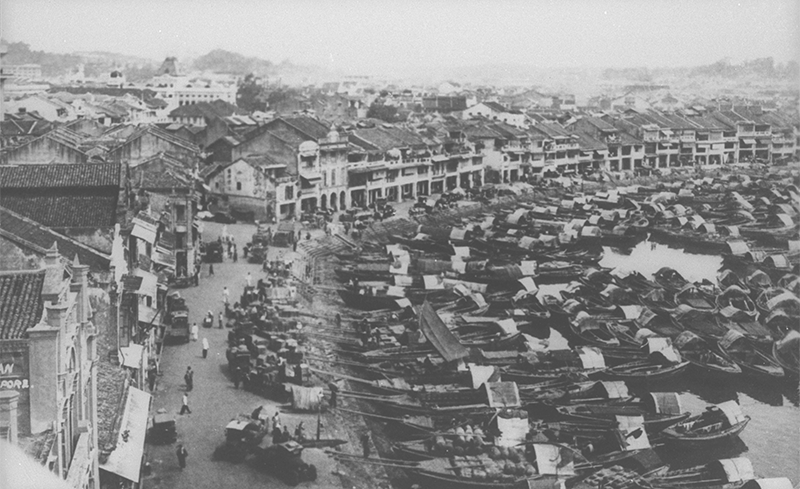
Samantha: I think the main issue they faced was that there were just so many people using the river. You had people who were living along the river, or those who were living on the river itself. Then you had the shipyards, the boatyards, street hawkers. So everything was going into the Singapore River so fast.
Jimmy: Very convenient.
Samantha: Yeah. It’s so convenient. You throw [things] in, and it’s like out of sight, out of mind, right? So, you can imagine the street hawkers slaughtering chickens, and the feathers and the blood just flowing into the Singapore River. We didn’t have proper sanitation back then. No flushing toilets near the Singapore River.
And of course, the oil from the boats and all that. So, there was just a lot going on and it was extremely dirty. Early on, Lee Ek Tieng and his team realised that, okay, you need to do it systematically. Being the engineer that he was, the first thing they did was to figure out who were these people using the Singapore River? And, of course, they came up with a huge list. I think there were definitely tens of thousands of individuals using it.
Jimmy: That’s a big number.
Samantha: Yes. There [were] also the pig farmers. Because the thing is, it’s not just at the Singapore River, because the waterways flow there. So even upstream, there were people using it. So, after they figured out who these people [were], they then had to figure out, how do we move them? Because they realised that it was not possible to clean up the Singapore River if the inhabitants continued to use it.
Jimmy: That makes sense.
Samantha: It makes a lot of sense. You clean it up, but then the problem will resurface. I think as much as it was an engineering problem, it was a social issue because these were people’s homes, people’s livelihoods. And if you were going to move them away, you’d have to give them a better alternative.
That was a big challenge for [Lee Ek Tieng] because he had to figure out how [to] give them a better proposition. Street hawkers would say, “My business here is good. If you move me to the back, what if my business and livelihood are affected?” And so, they had to give [the hawkers] a better alternative. And that was the hawker centres, because at hawker centres, you’ve piped water. It’s clean. You’ve proper garbage disposal. We’ll make sure it’s somewhere pleasant for people to visit. So, they had to entice them. I think they managed to do that, of course, with a lot of persuasion. And it was quite a long process because you had to license them as well.
When it came to the squatters who were living there, they looked to HDB [Housing and Development Board] for help. So, it was about giving them housing, buying flats for them to move into. And, of course, again you say, you’ll have proper sanitation, you’ll have proper toilets, you’ll have water coming out of your pipes, proper garbage disposal. It was a lot of persuasion and showing people that there was a better life if you agree to move away from the Singapore River.